Gum Disease Treatment – Oak Cliff, TX
Protecting More Than Just Your Teeth

While your teeth are certainly crucial to your oral health, your gums matter just as much. They could give your smile a nasty infection if they don’t get the proper care. Fortunately, you can count on Kessler Park Dental for gum disease treatment in Oak Cliff! This service from Dr. Martinez will manage and control your infected gums, ensuring they heal and recover. Learn more about it by reading below or (better yet) book a consultation today.
Why Choose Kessler Park Dental for Gum Disease Treatment?
- Gum Screenings Included with Every Checkup
- Arestin® Antibiotic Treatment Available
- In-Network with Most Insurance Plans
What is Gum Disease?
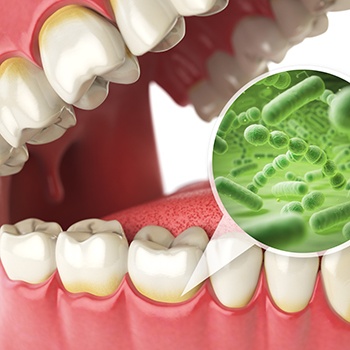
In essence, gum disease is an infection of your gums – the pink tissues surrounding your teeth. It often results from plaque buildup due to poor eating, bad oral hygiene, etc. With that said, other factors – genetics, hormones, and more – can also cause the condition.
Gum disease’s two main stages are gingivitis and periodontitis. The first refers to a slight gum inflammation, which is irritating but ultimately minor. In contrast, stage two – periodontitis – is a full-blown infection that attacks gum and jaw tissues. This latter phase is irreversible (unlike gingivitis) and can only be managed at best.
Symptoms of Gum Disease
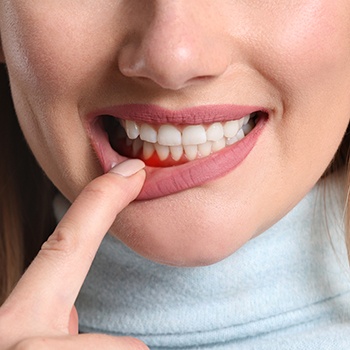
Due to its multiple stages, gum disease can cause many symptoms. Which signs you show will depend on your condition’s severity, progress rate, and so on.
Take gingivitis, for example. This early form of gum disease is known for signs like:
- Swollen gums
- Red, bleeding gums
- Gum tenderness
- Gum recession
- Chronic bad breath
Periodontitis tends to show more severe symptoms, including the following:
- A shift in your bite
- Chewing pain
- Loose permanent teeth
- Tooth sensitivity (often due to gum recession)
- Permanent tooth loss
- Changes in your restoration’s fit
How Do We Treat Gum Disease?

Dr. Martinez will conduct a close oral exam at your consultation visit. By checking your mouth and seeing your gum disease, he'll confirm crucial details about your case. He'll then use those findings to suggest one (or more) of the following treatment options:
Antibiotic Treatment

After scaling and root planing, Dr. Martinez may apply a topical antibiotic called Arestin on your gums. This medicine would further fight the infection in and around your gum tissues. Once placed, it’d quickly harden, dissolve over a few days, and kill even the most deeply hidden bacteria. You’d then have much healthier and stronger gums after about two weeks or so.
Our antibiotic treatment is often followed by regular dental cleanings. By attending these sessions more often, you’d ensure your smile stays healthy and problem-free.
Scaling & Root Planing
When gum disease progresses beyond gingivitis, home oral care and regular cleanings simply aren’t enough to restore your oral health. Scaling and root planing is a deep-cleaning procedure specially designed to remove hardened plaque and bacteria from beneath your gumline, helping your gums heal and tighten around your teeth again. Dr. Martinez uses gentle techniques and modern tools to make treatment as comfortable as possible, so you can protect your smile and avoid complications in the future.
Do You Need Scaling & Root Planing?

You might need scaling and root planing if your gums are red, swollen, or bleed easily when you brush and floss. Other things to watch for are persistent bad breath, gum tenderness, or teeth that seem slightly loose.
During your visit, our team will measure the pockets around your teeth and take X-rays to check for bone loss. If we see signs of moderate gum disease, this deep-cleaning treatment may be recommended to stop the infection and save your smile.
The Process of Scaling & Root Planing
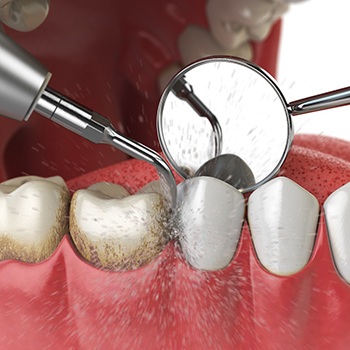
Scaling and root planing is usually completed in one or two visits, depending on how advanced your gum disease is.
First, we’ll numb the area to keep you comfortable. Then, our team will carefully remove plaque and tartar from above and below the gumline (scaling) using an ultrasonic cleaner.
Next, we’ll smooth the tooth roots (root planing), so bacteria have a harder time sticking in the future, and your gums can reattach more easily. After treatment, your gums will begin the healing process, and inflammation should gradually improve over time.
Aftercare Tips for Scaling & Root Planing

After your procedure, you may experience some tenderness or sensitivity as your gums heal, but it should fade over the course of a few days. Taking care of your smile is the best way to get it back into top shape. For the best results, be sure to:
- Brush gently with a soft-bristled toothbrush
- Floss carefully once tenderness improves
- Rinse with warm salt water as directed
- Avoid smoking, vaping, alcohol, and hard, crunchy, or spicy foods
- Take over-the-counter pain relievers as recommended
- Keep all scheduled follow-up and maintenance cleanings