Dental Crowns – Oak Cliff, TX
Rebuilding Damaged Teeth with Customized Restorations
Tooth enamel doesn’t have any way to fix itself the way your bones do. Consequently, a damaged tooth is a problem that won’t go away on its own. Fortunately, you have the option of asking Dr. Martinez for a personalized dental crown. The restoration will protect your tooth while also allowing you to once again enjoy a beautiful, natural-looking grin. If you’re interested in getting a dental crown at Kessler Park Dental, give us a call today.
Why Choose Kessler Park Dental for Dental Crowns?
- Expertly Designed, Long-Lasting Restorations
- Knowledgeable Dentist and Friendly Team
- Early Morning Appointments
What is a Dental Crown?
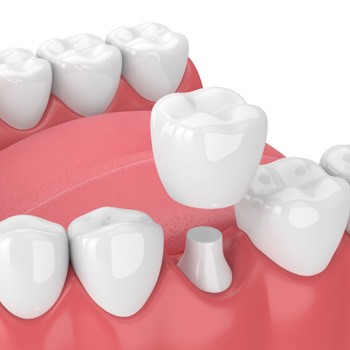
Most patients are already familiar with the idea of a dental crown: a special cap that completely covers a tooth to help it function normally again and prevent further damage from occurring. Nowadays, crowns can be made using a variety of materials; our office prefers porcelain since it can closely match the appearance of natural teeth while still being durable enough to withstand the forces of biting and chewing.
Our team may suggest getting a dental crown if:
- You have a cavity that is too large to be repaired with a filling.
- You have a significantly cracked or otherwise broken tooth.
- You have a badly weakened tooth.
- You would like to replace a single missing tooth with a dental implant.
Rest assured that before we recommend dental crowns or any other forms of treatment, we will carefully consider all of your available options to determine what the right choice for your smile is.
The Dental Crown Process
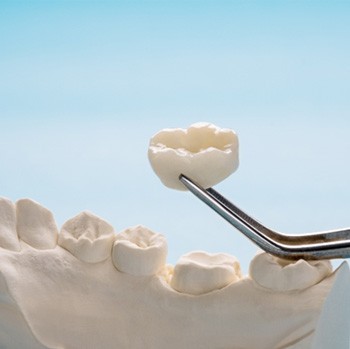
Once you have committed to getting a dental crown, our team will need to file away a small amount of enamel from the top and sides of the tooth in question. The idea is to create enough space for the crown so that it sits flush with the other teeth; the last thing you want is for your restoration to stand out because it looks too large.
Next, we will create impressions of your tooth. Once we have what we need, we will give you a temporary crown to wear until your next appointment. Meanwhile, the impressions will be sent to a dental laboratory where the permanent crown will be made.
After a few weeks, you’ll return to our office to have your crown placed. Once we have cemented the restoration to your tooth, we can give you instructions for taking care of it.
The Benefits of Getting a Dental Crown

Having a dental crown placed can keep your damaged tooth safe and reduce your chances of needing to have it removed altogether. You will also likely have an easier time chewing your food once the damaged enamel has been covered up. Taking care of a dental crown is easy, and you can expect a well-maintained one to last for a long time; in fact, some people are able to keep their crowns for as long as 15 years.
Understanding the Cost of Dental Crowns

Dental crowns are versatile restorations that can be used to repair a variety of damages to your teeth, but before you can commit to getting one, it’s important to understand the cost. While it would be nice to simply quote you a flat rate over the phone, due to the highly customizable nature of this treatment, Dr. Martinez cannot provide you with the cost of dental crowns until he’s examined the tooth in person. Once he does, however, here’s a closer look at how we’ll calculate your total.
Factors that Affect the Cost of Dental Crowns
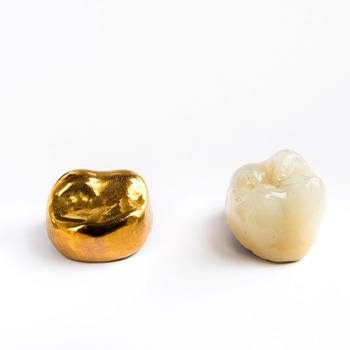
There are several important factors that can affect the cost of your dental crown, including:
- How severe the damage is to the tooth, and whether you’ll need any additional procedures first, such as a root canal.
- The type of material used to create your dental crown, such as amalgam, gold, porcelain, etc.
Furthermore, it’s important to remember that when it comes to dental crowns, the cheapest option available is rarely the best. When it comes to something that will be cemented in place in your mouth for many years, quality matters. You want your restoration to not just look great but to feel good and last for as long as possible, too!
Does Dental Insurance Cover Dental Crowns?

Yes, because dental insurance considers dental crowns to be a major procedure, they will generally cover around 50 percent of their cost if deemed medically necessary. However, please keep in mind that all plans are different, which is why it is so important to confirm your benefits before beginning treatment. Our team is happy to do this on your behalf!
Other Options for Making Dental Crowns Affordable

In addition to being in-network with many popular dental insurance plans, at Kessler Park Dental, we are proud to welcome the following options for making your dental crown treatment more affordable, including:
- Our In-House Membership Plan – For a low fee, this program provides important preventive care and discounts on treatments completed in-house, including dental crowns. For more information, please contact our friendly team.
- Flexible Financing through CareCredit – Plans through our preferred third-party lender allow you to break up the cost of your dental crown treatment into multiple, low-to-no interest monthly payments that may be more suitable to your budget.
At Kessler Park Dental, we’re ready to assist you with your dental crown treatment, including managing the cost. If you’re interested in learning more about how dental crowns can help you, including your financial options for care, contact us to schedule a consultation today.
Dental Crown FAQs
How Long Do Dental Crowns Last?
While every person and every restoration is different, most dental crowns last somewhere between five and fifteen years. This depends on a few factors, including:
- The materials that your dental crown is made out of; metal crowns tend to be more durable than ceramic.
- Lifestyle habits, like smoking.
- How well you take care of your restoration through dental hygiene.
- Where the crown is located, as this impacts how much pressure they’re under.
Do Dental Crowns Get Cavities?
While the dental crown itself can’t develop cavities, the tooth underneath it still can. It’s possible for bacteria to sneak under the restoration and begin to attack the enamel—in fact, it’s just as likely for a crowned tooth to develop decay as an uncrowned one.
For that reason, it’s still critically important that you continue to take care of your restoration, and the tooth underneath, via thorough dental hygiene.
What Happens If You Wait Too Long to Get a Dental Crown?
We don’t recommend dental treatment lightly—if we’ve said you need a dental crown to deal with a health issue it’s because it’s important. Putting off the procedure only means that the damage will likely get worse, and that what may have been treatable with a dental crown may then need a root canal or extraction. For that reason, you should be sure to act fast based on the prognosis we give you.
Are Dental Crowns Covered by Insurance?
While every dental company is different, dental crowns that you get for medically necessary reasons are typically at least partially covered. In this case, they’ll usually pay for around 50% of the total cost of care, though again, this varies from plan to plan. We’ll help you to coordinate with your dental insurance company in order to make sure that they’re getting the most out of your coverage.